Explore the Full Range of Services Delivered by General Contractors in the Building Sector.
Commercial general contractors are essential in the construction industry, offering a range of services that handle all phases of a project. Their skill set covers from initial design and planning to strong project execution get going and compliance with safety regulations. Hickory top rated Commercial General Contractor. By managing diverse subcontractors and guaranteeing quality standards, they work to fulfill both budget limits and timelines. This detailed strategy brings up key points about the effect of their methods on project success and customer happiness
Defining the Function of Commercial General Contractors
Even though the construction field covers a number of functions, CGCs serve a pivotal function in supervising and directing construction projects. Their responsibility is to guarantee that projects comply with design specifications, budgets, and deadlines. General contractors organize subcontractors, such as plumbers, carpenters, and electricians, to guarantee that all aspects of the construction process are executed seamlessly.
In addition, they must obtaining required permits and ensuring adherence to local local codes and rules. This function necessitates a profound knowledge of construction practices, as well as strong leadership and communication abilities. CGCs serve as the main contact for clients, handling issues and providing updates throughout the project’s duration. Their ability to navigate challenges while upholding quality benchmarks is essential to the successful completion of commercial building projects, which contributes to the efficacy and efficiency of the industry as a whole.
Coordination and Project Management
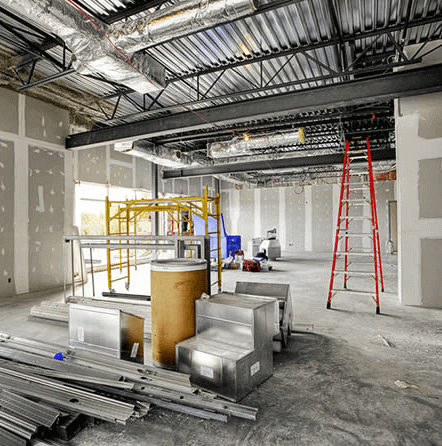
Coordination and project oversight are key factors for the successful completion of projects managed by commercial general contractors. Effective communication strategies, resource management techniques, and schedule control methods are fundamentally important in ensuring that projects are completed on time and under budget - Hickory top rated Commercial General Contractor. By excelling at these factors, contractors can improve teamwork among stakeholders and improve project success
Key Communication Practices
Strong communication techniques are critically important in the success of construction projects, as they ensure that all stakeholders are aligned and informed throughout the process. Open lines of communication encourage teamwork among architects, engineers, subcontractors, and clients, ensuring that everyone understands project requirements and timelines. Routine gatherings and information sharing aid in spotting potential problems quickly, allowing for timely problem-solving. Leveraging advanced communication technology, like project tracking software and mobile apps, boosts data dissemination and keeps stakeholders in touch. In addition, promoting a habit of transparent communication inspires input and supports openness, which helps achieve superior decisions. Ultimately, effective communication strategies contribute to smoother project execution and higher client approval in the construction industry.
Resource Assignment Practices
Resource distribution strategies are vital for the successful execution of construction projects, confirming that supplies, staff, and tools are applied efficiently. Optimized resource assignment means evaluating project specifications and coordinating them with accessible assets, which contributes to lowering waste and enhancing performance. Construction managers use diverse methods, like ranking jobs by importance and resource access, to manage resources properly. Moreover, using specialized software for following resource deployment boosts judgment and responsiveness. Regular evaluations of resource allocation allow for the detection of potential hold-ups and opportunities for enhancement, making rapid changes possible. By utilizing these strategies, commercial general contractors can maintain project momentum, keep expenditures in check, and finally meet project objectives according to the defined limits.
Methods for Schedule Control
Controlling schedules in building projects demands careful foresight and synchronization to make certain that all project phases proceed without issue. Building project managers employ diverse scheduling methods to enhance efficiency and secure timely project completion. These methods involve creating comprehensive timelines, utilizing project management software, and performing routine advancement evaluations. By defining explicit cutoff dates and goals, contractors can effectively monitor advancements and tackle forthcoming delays rapidly. Moreover, they define communication procedures between sub-trades, vendors, and interested parties to facilitate information flow and avert confusion. Anticipatory risk mitigation techniques also help maintain the schedule, making corrections possible for unforeseen difficulties. Crucially, efficient time management is fundamental for reaching project targets and keeping clients happy in the competitive construction industry.
Planning and Architectural Services
Design and pre-construction services are essential components of the construction process, with a focus on productive concept development tactics. These methods guarantee that project visions align with real-world execution, while architectural coordination processes enable smooth collaboration among stakeholders. When prioritizing these aspects, commercial general contractors are able to improve project results and efficiency.
Concept Development Methods
Although the success of a construction project is often determined by its initial concept, efficient concept development methods are vital in transforming ideas into actionable plans. Such methods require a systematic approach encompassing thorough research, stakeholder engagement, and feasibility assessments. Through collaboration with clients and stakeholders, commercial general contractors are able to determine project goals and limitations in the initial stages. Such teamwork encourages innovation while guaranteeing adherence to regulatory and budgetary requirements. Additionally, visualizations and prototypes can be used to refine concepts, permitting modifications before substantial capital is committed. Finally, effective concept development strategies do more than just streamline the transition from vision to reality and also minimize potential problems, setting the stage for a successful construction project.
Architectural Coordination Processes
Efficient architectural coordination methods are necessary for the successful execution of construction projects. These efforts require meticulous collaboration among architects, engineers, and contractors to guarantee that design intentions are accurately translated into tangible structures. Commercial general contractors are key players in improving communication and aligning project goals. They manage the integration of various design elements, handling potential issues at the start of the planning phase. Such a proactive method reduces costly delays and rework, promoting a more efficient workflow. In addition, effective architectural coordination ensures compliance with local regulations and building codes, improving project viability. By simplifying design revisions and optimizing resource allocation, these efforts help improve the overall efficiency and quality of construction outcomes, providing projects that satisfy client expectations and standards.
Financial Oversight and Budgeting
Financial control and budgeting are vital aspects of successful construction projects, ensuring that resources are efficiently allocated and expenditures do not exceed established limits. Commercial general contractors are fundamental in this aspect by carefully crafting financial plans that encompass the entirety of the project, covering materials, labor, and unexpected costs. Their skill set facilitates reliable projections, which is key to preventing budget excesses and securing economic success.
Beyond this, general contractors implement rigorous financial monitoring throughout the project lifecycle. They track spending against the budget, adjusting allocations as necessary to accommodate changes in project scope or surprise expenditures. This proactive management protects the fiscal well-being of the project but also promotes open dialogue with stakeholders concerning the financial situation. By providing thorough reports and consistent communication, general contractors guarantee that all parties remain informed, improving reliance and teamwork throughout the construction process.
Quality Control and Safety Compliance

Maintaining high quality and ensuring safety are critical concerns in the construction industry, making certain projects adhere to defined benchmarks while preserving the health and security of all workers involved. These construction managers enforce strict quality assurance protocols by conducting regular inspections, verifying supplies, and confirming compliance with requirements. This approach aids in detecting issues promptly, cutting down on costly fixes and setbacks.
Safety compliance is equally critical; contractors comply with OSHA standards and standard industry procedures to foster a safe job site. This includes providing proper training, personal protective equipment, and maintaining clear communication regarding safety protocols.
Support and Services After Construction
Once construction is completed, commercial general contractors provide essential post-construction services and support to guarantee the project continues to meet the client's needs. This support typically involves comprehensive site reviews to confirm adherence to requirements and local regulations. Contractors may also engage in warranty management, resolving problems that occur after the project handover.
In addition, contractors supply upkeep assistance, helping clients with the upkeep of the building to prolong its lifespan and assure functionality. Instructional classes for personnel regarding systems and machinery can also be provided to boost day-to-day effectiveness.
In addition, they commonly aid in project closeout documentation, making certain necessary data is compiled and accessible for later use. This continued assistance builds a long-term connection between contractors and clients, promoting confidence and contentment while promoting accountability in the construction process. Fundamentally, after-build services are crucial in the project's enduring achievement.
Commonly Asked Questions
What Types of Projects Do CGTs Generally Oversee?
CGTs commonly oversee a variety of projects, including office buildings, commercial outlets, manufacturing plants, healthcare centers, learning centers, and multi-family units, ensuring that each project meets sector benchmarks and owner demands with competence.
How Do I Choose the Right Commercial General Contractor for My Development?
When picking the right commercial general contractor, it is necessary to review their track record, verify recommendations, determine their economic reliability, examine previous work, and guarantee clear communication concerning deadlines and financial plans for effective project management.
What Are the Common Challenges Encountered in Building Work?
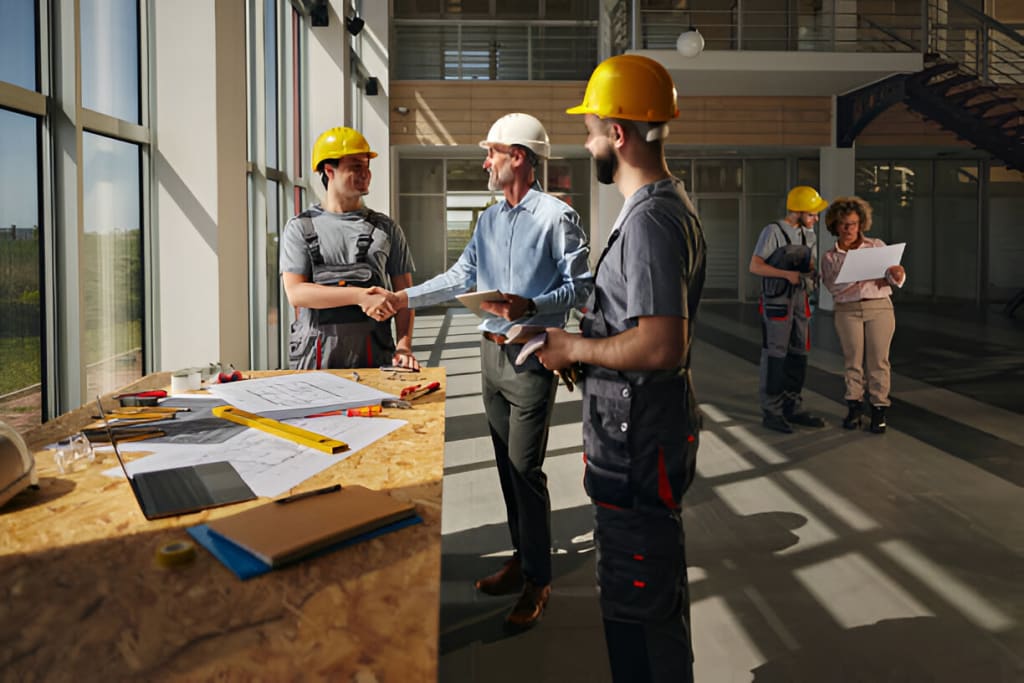
Typical difficulties encountered during building work include budget overruns, timeline setbacks, labor shortages, regulatory compliance, unforeseen ground issues, and breakdowns in dialogue between involved parties. These challenges typically impede the completion of the job and might cause higher expenses and extended schedules.
How Do Contractors Ensure Compliance To Area Safety Standards?
Firms maintain conformity to area safety standards by thoroughly reviewing regulations, performing frequent checks, partnering with government agencies, and maintaining detailed documentation throughout the construction process to reduce potential hazards and follow security protocols.
What Warranties or Guarantees Do Builders Typically Offer Once the Job is Finished?
Builders usually offer warranties that cover workmanship and materials, which may extend from one to ten years. These assurances frequently cover remediation of issues, giving owners access to verified quality and confidence post-project completion.
Comments on “Securing Reliable Construction Pros Simple”